


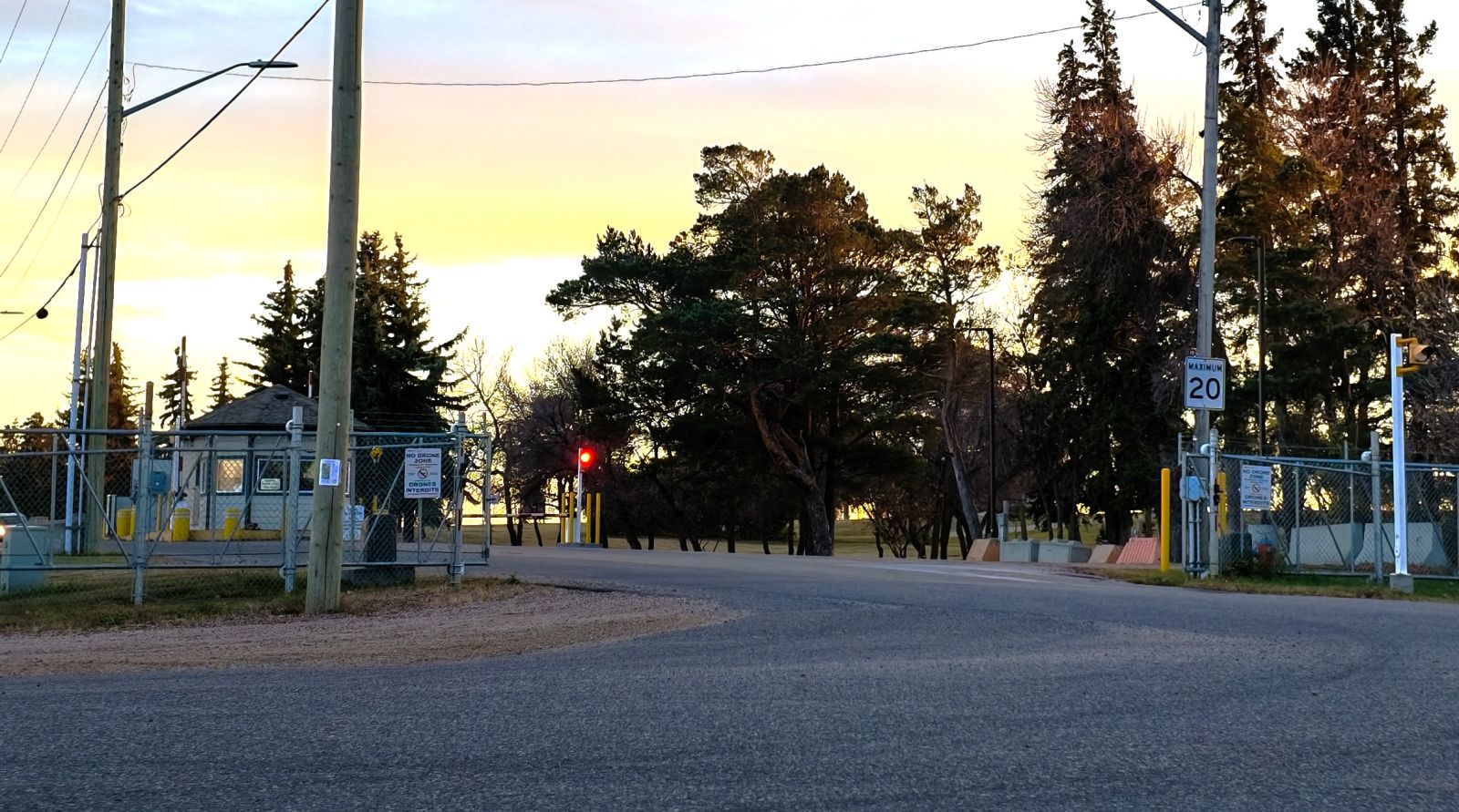

More than a month after a deadly fire at Canadian Forces Base Wainwright that claimed the life of five soldiers, officials reported that 19 patients remained hospitalized, seven of whom were in critical condition.
The fire broke out Oct. 17 during a live-fire training exercise involving members of the 3rd Battalion, Princess Patricia’s Canadian Light Infantry, at CFB Wainwright. According to reports strong winds are believed to have caused a grass fire to spread rapidly through the training area, killing five soldiers, Sgt. Morgan Wong, Pte. Shaun Farrell, Pte. Aidan Goulding, Pte. Hayden Lykkemark, and Pte. William Douglas Dal Bianco, who died Nov. 13 from injuries sustained in the fire. Another 38 Canadian Armed Forces members were injured in the incident.
The scale of the Oct. 17 tragedy is said to have placed considerable pressure on hospitals across Alberta, requiring facilities to share resources and co-ordinate specialized treatment for patients with severe burns. During a Nov. 26 update health officials said following the incident 20 critically ill burn patients required intensive care, prompting hospitals across the province to work together to manage treatment.
Dr. Sayeh Zielke said the incident highlighted the importance of co-operation between emergency responders, rural hospitals, transport crews and specialized medical teams in larger urban centres.
“When health care was refocused in this province, the goal was simple: a system where every part knows its role and every part works together to do what is best for the patients,” Zielke said.
She said the province activated a co-ordinated response involving multiple health organizations, allowing patients to be stabilized, transported and treated at hospitals with the appropriate capacity and expertise.
Michael Suddes, interim chief operating officer for the Edmonton Corridor with Alberta Health Services, said patients were transferred from Wainwright to four hospitals: the University of Alberta Hospital and Royal Alexandra Hospital in Edmonton, Foothills Medical Centre in Calgary and Red Deer Regional Hospital Centre. He said the tragedy had a profound impact on patients, their families, health-care workers and first responders.
“While doctors and nurses provided the most direct critical care, they were supported by countless others working within the same teams to ensure that all of our hospitals could respond effectively,” Suddes said.
Suddes said 30 emergency transport units were mobilized to move patients from Wainwright, while hospitals activated Code Orange procedures to prepare for the mass-casualty event. He credited the collaboration between provincial health organizations, the Canadian Armed Forces and the Government of Alberta for helping co-ordinate the response.
Dr. Josh Wong, interim medical director of the Edmonton Firefighters Burn Treatment Unit at the University of Alberta Hospital, said the influx of critically ill patients created extraordinary demands on staff.
The unit normally has four intensive-care beds dedicated to burn patients and four high-intensity beds for patients transitioning out of intensive care. Following the Wainwright incident, 20 critically ill burn patients required intensive care, prompting the hospital to expand its capacity to accommodate the influx.
Wong said the unit was already treating 15 other burn patients when those injured in the Wainwright incident began arriving.
The hospital responded by converting its four high-intensity beds into burn intensive-care beds and increasing capacity in its general intensive-care unit. Additional physicians, nurses and other specialized health-care professionals were brought in to support the response.
Medical teams from the Canadian Armed Forces, Ontario and Manitoba also assisted at the University of Alberta Hospital.
Wong said severe burn injuries often require months or years of treatment, including multiple surgeries, rehabilitation and ongoing medical and psychological support.
“Burn treatment is extremely unique and it’s very complex,” Wong said. “These patients often require intensive, highly specialized treatment, and their recovery can take months to even years. Unlike many other ICU patients, individuals with severe burns often require multiple procedures and surgeries, extensive rehabilitation, and ongoing medical support, ongoing psychological support, and ongoing follow-up.”
He added that the psychological effects of severe burns can become more significant as patients recover and become increasingly aware of their injuries.
Wong said health-care teams received psychological support during the initial response, with on-site assistance available to staff throughout the first three weeks. He acknowledged that the impact on health-care workers could continue long after the immediate emergency response, particularly as fatigue and psychological effects emerge.
The demands of the response extended beyond treating patients, with health-care workers also receiving psychological support as they dealt with the pressures of the emergency.
The province said it has begun reviewing the response, with individual hospitals and health-care programs conducting debriefings before their findings are brought together.
Suddes said it was too early to identify specific lessons, although initial assessments suggest the response was strong.
He said Alberta has experienced about half a dozen significant Code Orange responses over the past five years, but it had been some time since an incident required a provincial mobilization of this scale.
Wong said a national burn-care tabletop exercise organized through the Canadian Burn Association in early October helped prepare hospitals for a mass-casualty event. He said the planning also helped co-ordinate the transfer of stabilized patients to burn centres closer to their homes, including facilities in Ontario.
Zielke said the response demonstrated Alberta’s ability to co-ordinate complex care while continuing to provide emergency, surgical and critical care to other patients across the province.
“This was definitely a stress test for this system and we passed it,” she said.
For patients with severe burns, leaving intensive care is only one stage of recovery. Many face lengthy rehabilitation, repeated surgeries and ongoing physical and psychological care.
While the immediate emergency response has ended, officials stressed that the recovery process for many patients is far from over. Suddes said health-care teams remain committed to providing specialized treatment and support to patients and their families in the weeks and months ahead.
The circumstances surrounding the fire remain under investigation by military police, with a separate military board of inquiry also examining the incident.