

The Blood Tribe is urging the Premier of Alberta to reject two proposed policy resolutions targeting land acknowledgements and First Nations land claims.
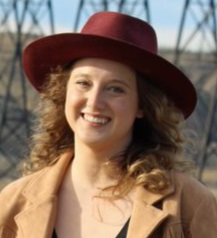
The resolutions are scheduled for debate at the UCP’s annual general meeting in Calgary this weekend. Blood Tribe Chief Traveller Plaited Hair is also calling on Premier Danielle Smith and Indigenous Relations Minister Rajan Sawhney to ensure neither proposal becomes government policy if adopted.
In a statement issued Thursday, Plaited Hair said the Blood Tribe opposes a resolution to “discontinue the use of land acknowledgements by the Government of Alberta, and all publicly funded institutions, agencies, and entities.”
The First Nation also opposes a second resolution that would “mandate that the province of Alberta use all possible legal options to block federal land claims.”
Plaited Hair said the Blood Tribe’s opposition is rooted in its Treaty relationship with the Crown, established in 1877 under Treaty 7, also known as the Blackfoot Treaty.
“Our Treaty is a solemn covenant with the Crown, protected and affirmed by our Constitution, which charted a path for permanent, parallel coexistence between the Blood Tribe, the Crown, and newcomers,” he said. “Virtually all of Alberta is Treaty land. These are facts of history and law. They do not change because a political party, or its supporters, finds them inconvenient.”
The land acknowledgement resolution is sponsored by five constituency associations: Highwood, Edmonton-Gold Bar, Innisfail-Sylvan Lake, Sherwood Park and Calgary-South East.
Its sponsors argue that land acknowledgements have become widespread in schools, municipalities, health-care facilities and government agencies. They contend some residents view the practice as “performative, and politically compelled.”
The resolution also argues that describing people as “guests” or “settlers” can create divisions over who belongs in Alberta, regardless of how many generations their families have lived and worked in the province.
Plaited Hair said land acknowledgements recognize the historical relationship between First Nations and the Crown, as well as the continuing presence of Indigenous Nations. He added that Treaty rights do not depend on land acknowledgements because they are constitutionally protected.
“Regrettably, and tellingly, the sponsors of this resolution suggest that this truth is divisive and “unnecessarily humiliating.”
The second resolution, sponsored by the Edmonton-Gold Bar Constituency Association, calls on Alberta to use available legal options to oppose federal land claims.
Plaited Hair said the province must recognize its constitutional obligations to First Nations, pointing to the Natural Resources Transfer Agreement of 1930, which transferred Crown lands and natural resources to Alberta while retaining provisions related to federal Treaty obligations.
“Alberta should also remember where its own land and resource wealth came from,” he said.
The chief said Alberta has benefited from the agreement for generations while First Nations continue to raise concerns about outstanding Treaty commitments.
The resolution argues that federal land claims pose a direct threat to private property ownership and calls on Albertans to oppose the federal government’s plan to protect 30 per cent of the country’s land and water.
“We unequivocally reject attempts to frame First Nations land claims as a threat to private property owners. Existing claims seek to remedy historical injustices and long-outstanding legal obligations of the Crown,” Plaited Hair said.
He added portraying legitimate claims as threats risks creating division between Indigenous communities and their neighbours.
Plaited Hair also connected the resolutions to broader tensions between First Nations and the provincial government over Alberta’s separation petition process.
Earlier this year, the Blood Tribe and other members of the Blackfoot Confederacy and Treaty Nations challenged the provincial government’s handling of the process, arguing Alberta had failed to meet its constitutional duty to consult First Nations.
The Court of King’s Bench of Alberta found that the Crown had breached its duty to consult and set aside approval of the separation petition. The provincial government has appealed the decision.
“The UCP’s stated political aspirations are becoming increasingly inflammatory, bordering on openly racist, and are incompatible with proper political governance and constitutional obligations of government.”
Plaited Hair said the proposals could further damage relationships between Alberta and First Nations.
“Resolutions that would erase public recognition of First Nations and attack constitutionally protected rights are not ordinary policy debates, and they have no place in a government that is meant to serve all Albertans.”
The Blood Tribe is calling on Smith and Sawhney to reject both resolutions and confirm the provincial government will not implement them through legislation or government policy, even if UCP members adopt them.