
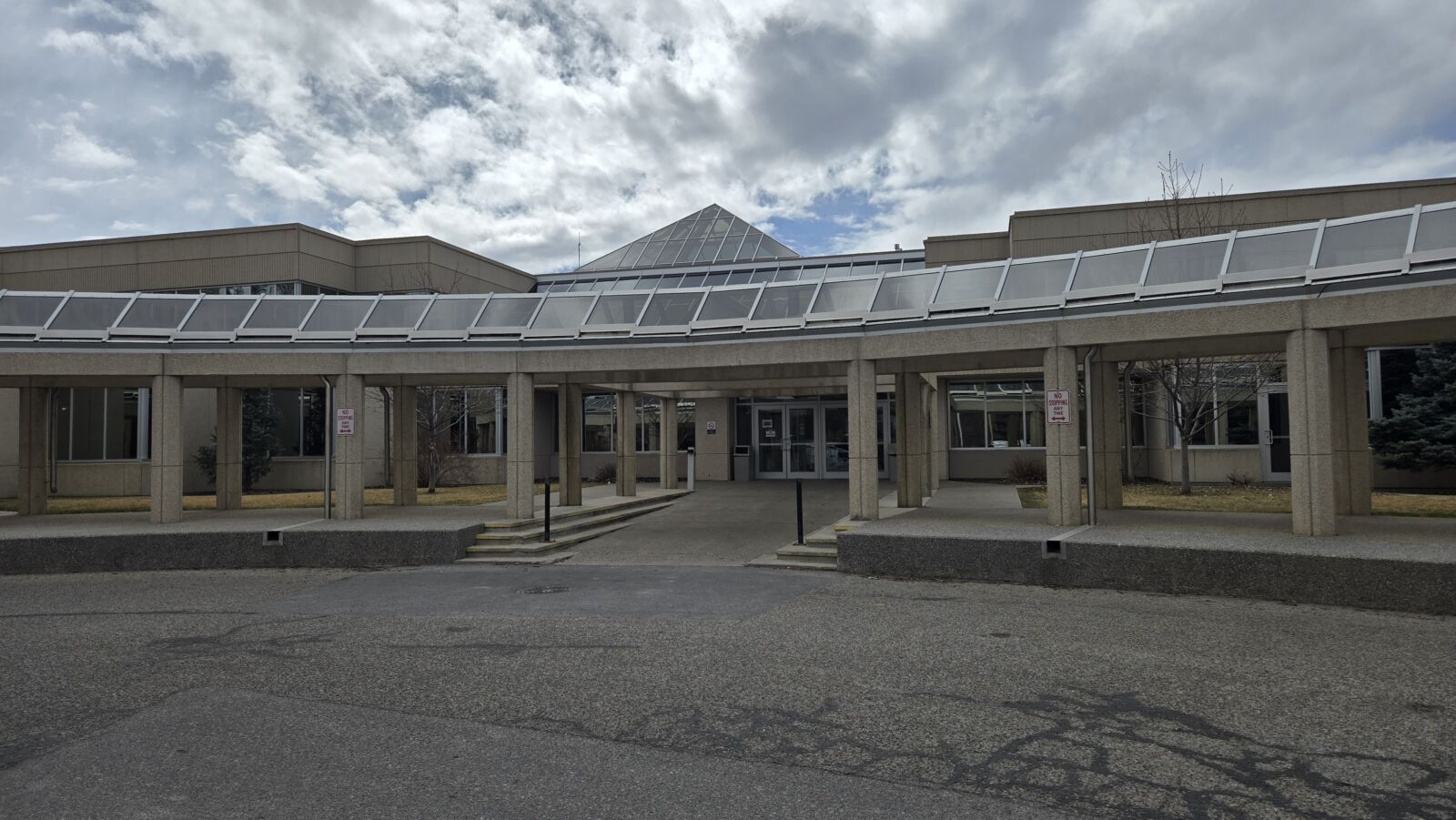
A project out of Lethbridge Polytechnic aims to address and combat misinformation about Indigenous people in Canada.
The project, titled Ihtsitomaniista’po’tako’p (a.k.a. Working Together), is led by the Ninastako Cultural Centre, in partnership with the polytechnic’s Centre for Public Safety Applied Research, also known as CPSAR.
Participants will explore how misinformation about Indigenous people and culture spreads, the impact that has on communities and what can be done to address it.
“We continue to see misinformation and harmful stereotypes about Indigenous people in media, online spaces and everyday conversations,” said Dr. Kirsten Fantazir (Anatsi’piiksaakii/Pretty Bird Woman), president’s applied research chair in public safety, CPSAR. “Working Together will engage with Indigenous communities to hear directly from those affected by misinformation and use that knowledge to create culturally relevant tools and resources aimed at strengthening Indigenous cultural understanding.”
Dr. Jami Albright-Tolman (Natosii Apaniimstakyakii/Sun that Breaks through the Storm Lady), instructor, Centre for Justice and Human Services and researcher, CPSAR, said misinformation perpetuates racism and divisiveness. Albright-Tolman noted that much of this happens online, “with stereotypes that were spread in traditional media in the 1860s still being used today, more than 150 years later”.
“This language and action entrenches inaccurate information as fact in people’s minds. Working Together aims to address that misinformation with practical, digital tools the public can engage with to correct those false notions in a positive and constructive way.”
Officials said the project will benefit from student and community members’ feedback.
“I know how important it is for people to have a voice in research about our language, culture and our communities,” said Megan Gros Ventre Boy (Iinakii/Buffalo Woman), a fourth-year student in the Bachelor of Criminal Justice program.
“Research like this allows us to have access to accurate information when working with those Indigenous communities, while also learning how to bring that information and those ways of knowing into academic spaces as a student in the criminal justice program.”
COMMUNITY FEEDBACK
The project is accepting feedback from community members who are willing to share their experiences and cultural knowledge. Project leaders will use focus groups, individual interviews, and online surveys to gather feedback.
“We want to hear about those lived experiences, what people have heard and what they know is out there,” Fantazir said. “These experiences will better inform the development of these tools and help us deconstruct those misinformed ideas and stereotypes.”
Officials also encourage community members to listen to the polytechnic’s Learning Innovation podcast to learn more about the project.
More details are available on the Working Together webpage.